Retatrutide GLP-3 research — Private Peptides
The large weight-loss result, the liver-fat measurement and the questions attached to each.
Obesity trial: 338 adults
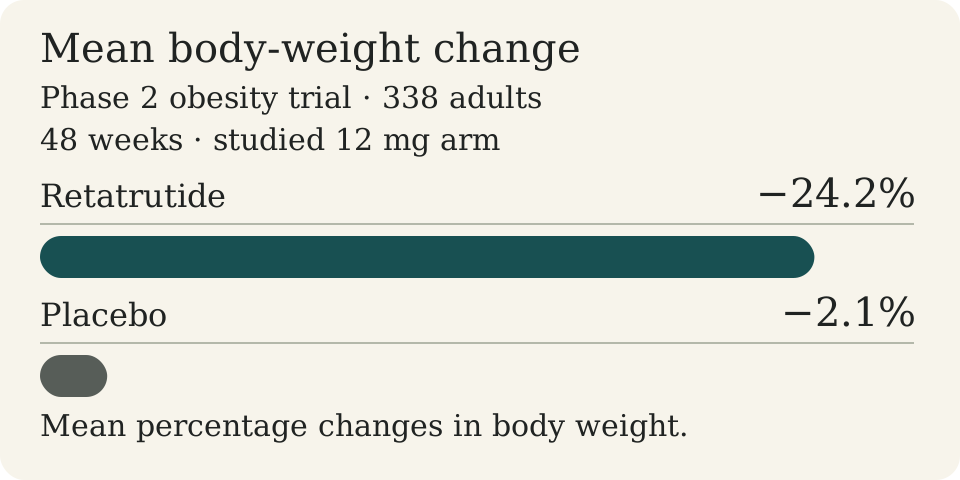
The 2023 Phase 2 obesity trial studied 338 adults over 48 weeks. In the 12 mg arm, mean body-weight change was -24.2%, compared with -2.1% for placebo. That is the study’s dose and measured outcome, with clinical-trial oversight; it supplies no personal dose recommendation.
This figure deserves its prominence in retatrutide’s reputation. It loses me when the mean becomes a forecast for an individual, or when a weight result becomes shorthand for every possible benefit. The trial also recorded gastrointestinal adverse events and a dose-dependent heart-rate increase. Those observations deserve to travel with the percentage.
Mean body-weight change describes the studied group. The individual prediction people want is a different question.
GLP-3 and the receptor names
Retatrutide, also called LY3437943, is an engineered 39-amino-acid peptide on a GIP-based backbone. A fatty-diacid arm promotes albumin binding and extends its circulating life. GLP-3 research peptide and GLP RT peptide are shorthand people encounter around research retatrutide; the receptor study names the targets as GLP-1R, GIPR and GCGR. The last is the glucagon receptor.
An agonist activates a receptor. Here one molecule engages all three, and the structural work found uneven relative potency: roughly 8.9-fold above native GIP at GIPR, 0.3-fold relative to native glucagon at GCGR, and 0.4-fold relative to native GLP-1 at GLP-1R. These are in vitro receptor findings, each compared with its own native hormone.
The triple-agonist name suggested a simple three-way balance to me. The receptor structures describe a more selective piece of engineering. The 2025 pharmacology review explains the proposed division of labor: GLP-1 and GIP support appetite and glucose regulation, while glucagon-receptor activity may add energy expenditure. A trial’s weight change does not isolate the contribution of each arm.
Type 2 diabetes outcomes
The 2023 diabetes trial enrolled 281 adults with type 2 diabetes and followed treatment for 36 weeks. At the studied 12 mg dose, HbA1c changed by -2.02% versus -0.01% with placebo at 24 weeks. Body weight fell by 16.94% versus 3.00% with placebo at 36 weeks. HbA1c reflects blood glucose over time; it is a separate endpoint from weight.
Gastrointestinal adverse events occurred in 35% of participants, and the report recorded no severe hypoglycemia or deaths. The study population, endpoint and follow-up define the finding. Combining an investigational incretin agonist with insulin or sulfonylureas raises a separate hypoglycemia concern described in the current safety record.
Liver fat measured by MRI
The 2024 liver-disease substudy included 98 adults with obesity or overweight and metabolic dysfunction-associated steatotic liver disease, or MASLD. In the studied 12 mg arm, relative liver fat fell by 82.4% at 24 weeks; 86% of participants reached normal liver fat, defined as under 5%. The paper used MRI-based liver-fat measurement, with reductions sustained to 48 weeks.
Of the findings collected here, this is the one I’d put beside the obesity headline. It gives the metabolic story another measured organ-level outcome. My enthusiasm is specific to that endpoint: a liver-fat measurement leaves broader questions about long-term liver health open.
Gastrointestinal effects and heart rate
The obesity trial’s safety observations included dose-related gastrointestinal effects, mostly mild to moderate, and increased resting heart rate that peaked around week 24. The current record also notes absolute lean-mass reduction alongside fat loss. That adds a body-composition question to the scale result, without supplying a settled long-term answer.
I’m prepared to admire the magnitude of the measured weight change and still wait for cardiovascular, kidney and durability outcomes. Retatrutide remains investigational and unapproved by the FDA or any other regulator in the status recorded here for mid-2026, with Phase 3 development underway. These Phase 2 results cover finite trial periods; a completed weight-loss observation supplies no answer about sustained benefit after treatment ends.
Research-labelled material outside a registered trial has unverified identity, concentration, purity and sterility. This site offers no preparation or administration instructions.
The community stories
The accounts circulating around retatrutide are anecdotal, unverified and outside the clinical evidence. They describe quieter food-related thoughts, pronounced weight change, warmth, nausea, constipation, fatigue, sleep disturbance and awareness of a faster pulse. These stories establish neither authentic material nor causation.
The warmth reports tempt people to attribute a sensation directly to the glucagon arm. That attribution asks more of a story than I’m willing to grant. The receptor hypothesis and the controlled safety findings have sources; an unverified sensation has much less to carry it.
Compare the actual endpoints, or open the retatrutide reading list.